Rehabilitation after dental or surgical procedures

Learn more
Dental physiotherapy after dental or surgical procedures plays an important role in accelerating the recovery process, reducing pain, and improving the function of temporomandibular joints and facial muscles. It is also an essential element of a holistic approach to oral health and the chewing apparatus, which significantly improves patient comfort and functionality.
The goal of dental physiotherapy after procedures
- Restoration of chewing and speech functions: after procedures such as tooth extraction, implant placement, or jaw surgery, patients often experience difficulties in the normal functioning of the chewing apparatus
- Reduction of pain and swelling: the use of appropriate techniques helps reduce inflammation and pain in the face, neck, and temporomandibular joint area
- Zapobieganie zrostom i ograniczeniom ruchomości: after surgeries, e.g., maxillary osteotomy, it is important to prevent tissue adhesions and movement restrictions in the temporomandibular joint
Techniques used in dental physiotherapy
- Soft tissue massage: massages of the masseter, temporal, and other facial muscles help reduce tension and improve circulation in the operated area
- Manual therapy: mobilization of the temporomandibular joint and relaxation of muscle and ligament structures
- Exercises improving mobility: mouth-opening exercises and those improving the range of jaw motion, especially important after surgeries restricting joint mobility
- Laser therapy and electrotherapy: the use of physical therapy devices supports tissue regeneration, reduces pain and swelling
- Relaxation techniques: conscious breathing and muscle relaxation exercises reduce tension
Physiotherapy after specific procedures
- Wisdom teeth extractions: massage and relaxation of the muscles in the jaw area help alleviate pain and limitations in mouth opening
- Implantology procedures: physiotherapy reduces swelling and tension around the implants, accelerating healing
- Orthognathic surgeries (maxillofacial surgery): specialized movement exercises and manual therapy restore proper joint and muscle function
- Treatment of mandibular or maxillary fractures: physiotherapy supports the restoration of proper joint mobility and prevents limitations after immobilization
Benefits of dental physiotherapy
- Shortened recovery time
- Reducing the risk of complications such as mobility restrictions or chronic pain
- Improving the patient's quality of life, including comfort in eating and speaking
- Reducing tension in the muscular system of the face and neck
Interdisciplinary cooperation
Dental physiotherapy is particularly effective when it is part of comprehensive care, involving cooperation with a dentist, maxillofacial surgeon, and orthodontist. Such cooperation allows the therapy to be tailored to the individual needs of the patient.
| Procedure name | Price |
|---|---|
| Dental physiotherapy consultation (60 min.) | 170 zł |
| Individual dental physiotherapy (50 min.) | 150 zł |
| Individual dental physiotherapy – 5 sessions | 650 PLN |
| Individual dental physiotherapy – 10 sessions | 1200 zł |
Faster healing
Reduction of pain and swelling, support for tissue regeneration.
Full SSŻ function
Range and stabilization exercises for the żuchwa.
Modern methods
Manual therapy + fizykoterapia according to indications.
Treatment coordination
Constant contact with a surgeon/dentist.

See reviews
Over 8,000 patients have already trusted us, check out what they have to say:
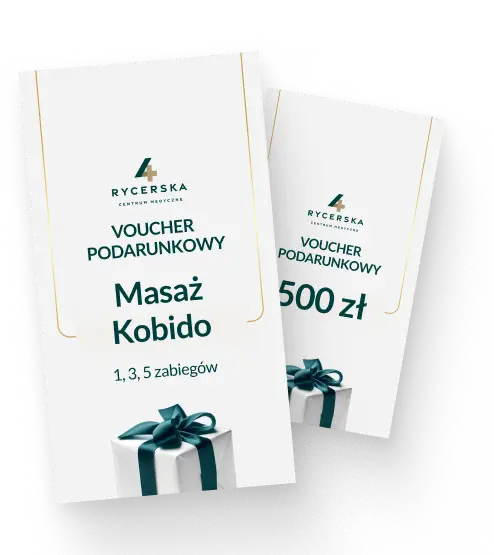
BUY A VOUCHER FOR A TREATMENT
Looking for an ideafor a gift?
Give your loved ones health and relaxation –
our vouchers are available online.


Select voucher type
Choose a Voucher for a specific treatment or for a selected amount

Complete the details and pay for the order
Fill in the necessary information
and pay for the order

Collect the voucher online or on-site
You will receive the voucher at the specified e-mail address, you can also pick up the voucher on-site