Dental specializations.
Rycerska 4 Medical Center in Bytom is a modern facility already trusted by over 8,000 patients offering a wide range of services, an experienced team of doctors and therapists, convenient online registration telephone contact and via WhatsApp as well as support in financing treatments and the possibility of purchasing gift vouchers for treatments at the facility.
Learn more
Many patients type the phrase "dental specialisations" into a search engine when they no longer know whether to go to a "regular dentist", an endodontist, a surgeon, a periodontist, or a prosthodontist for a toothache. This is completely natural – modern dentistry is very broad today, and choosing the right specialist has a real impact on treatment time, comfort, and the final result.
For adult patients from Bytom and the surrounding areas, the most important thing is usually one: where to find comprehensive help in one place, without running between facilities, performing separate diagnostics, and waiting a long time for consultations. This is why the care model that combines conservative dentistry, microscopic treatment, implantology, prosthodontics, RTG diagnostics, and CBCT tomography, and if necessary, also dental physiotherapy, pain therapy, or aesthetic support, is so important.
At Rycerska 4 Medical Center in Bytom, patients can benefit from such a truly comprehensive approach. It is a modern facility already trusted by over 8,000 patients, offering a wide range of services, an experienced team of doctors and therapists, convenient online registration, telephone contact, and via WhatsApp, as well as support in financing treatments and the possibility of purchasing vouchers.
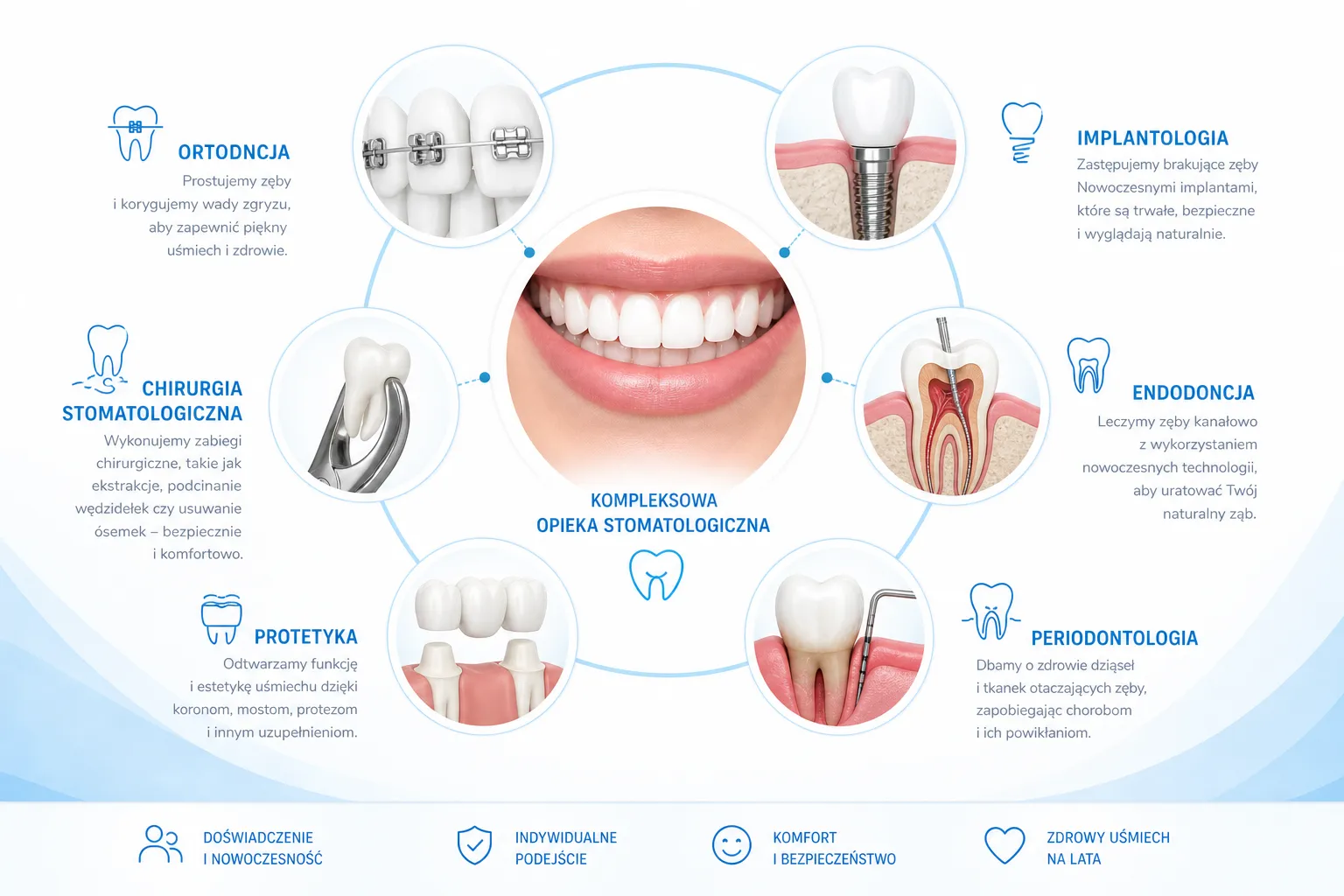
What are dental specialisations?
Dental specialisations are specific fields in which a dentist acquires in-depth knowledge and practical skills concerning a chosen area of treatment. This means that while every dentist has the basic training to diagnose and treat many oral health problems, some cases require more advanced specialist care.
In practice, the patient experiences this very concretely:
- a simple cavity can be treated by a conservative dentist,
- root canal treatment in a difficult case is best handled by an endodontist,
- a missing tooth is replaced by an implantologist or a prosthodontist,
- bleeding gums require a periodontological consultation,
- malocclusion is the area of an orthodontist,
- problems with the temporomandibular joint may also require support from a dental physiotherapist.
A patient does not always need only "tooth treatment". Sometimes the source of ailments is muscle tension, bruxism, temporomandibular joint overload, or chronic facial pain. Therefore, modern dental care should take a broader view.
What are the most important dental specialisations?
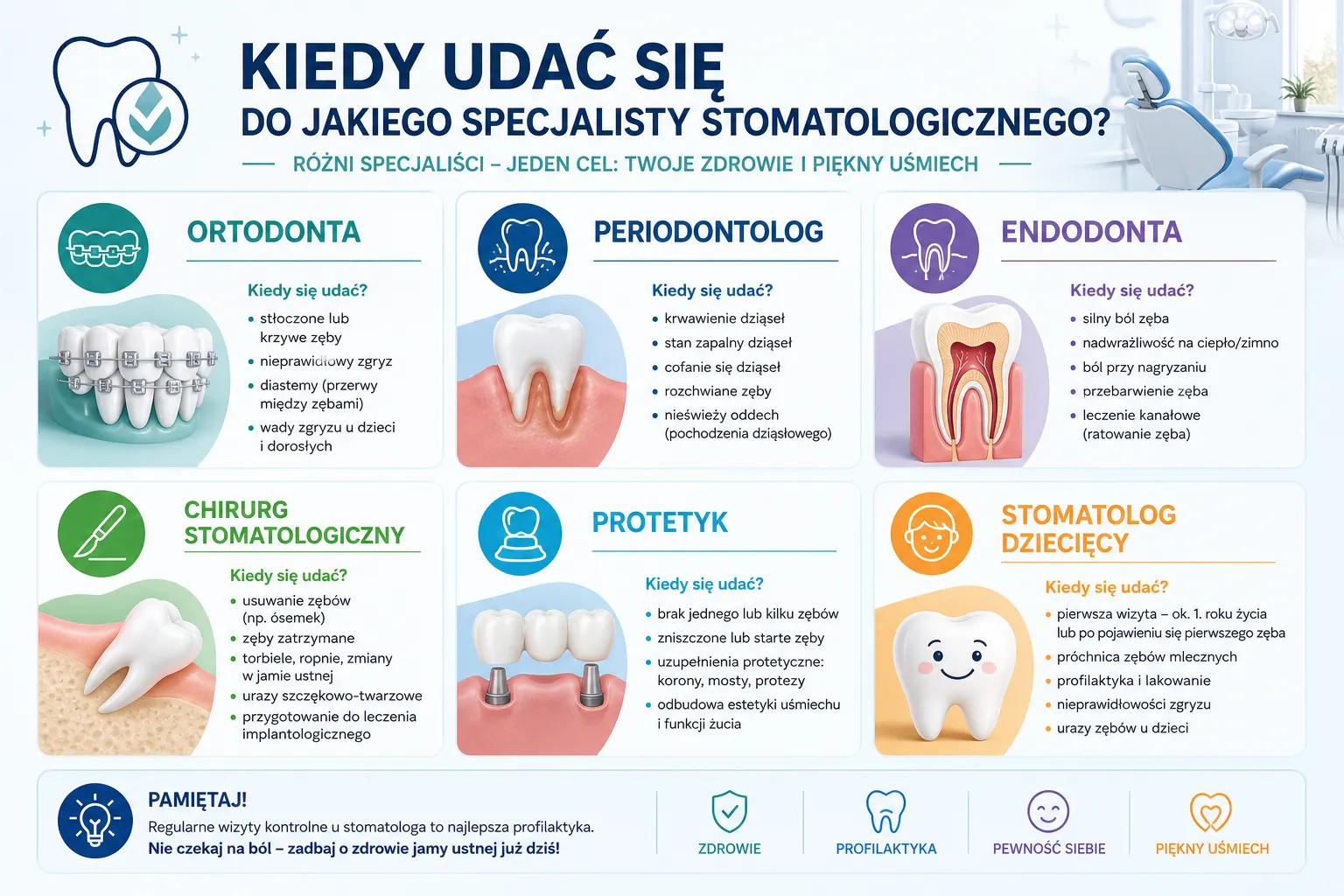
Below you will find a clear guide to the most important fields. From the patient's perspective, the most important thing is not remembering all the names, but understanding who to consult with a specific problem.
Overview of dental specialisations
| Specialisation | What does it involve? | Which problem should you consult a specialist for? |
|---|---|---|
| Conservative dentistry | Caries treatment, tooth restorations, prophylaxis | Cavity, hypersensitivity, toothache, check-up |
| Endodontics | Root canal treatment, often under a microscope | Severe pain, changes at the root, complications after caries |
| Orthodontics | Treatment of malocclusions and improper tooth alignment | Crooked teeth, wear, crowding, bite |
| Periodontology | Treatment of gum and periodontal diseases | Gum bleeding, tooth mobility, recessions |
| Dental surgery | Tooth extraction and surgical procedures | Wisdom teeth, impacted teeth, preparation for implants |
| Implantology | Restoration of missing teeth with implants | Missing one or several teeth |
| Dental prosthodontics | Crowns, bridges, dentures, restoration of chewing function | Missing teeth, damaged teeth, smile aesthetics |
| Pediatric dentistry | Treatment of the youngest patients | Deciduous tooth decay, child adaptation, prophylaxis |
Conservative dentistry – the first point of contact for treatment
For many adult patients, conservative dentistry is the starting point. It includes:
- caries treatment,
- removal of old leaking fillings,
- restoration of damaged teeth,
- prophylaxis and check-ups.
This is where the treatment plan most often begins. A good dentist does not focus only on "patching a hole" but assesses the overall condition of the teeth, bite, gums, and hygiene. This allows for early detection of problems before they require expensive or invasive treatment.
When should you visit as soon as possible?
- when the tooth reacts to cold, heat, or sweets,
- when a cavity is visible,
- when a filling has chipped,
- when pain occurs upon biting,
- when it has been a long time since a check-up.
Endodontics – root canal treatment under a microscope
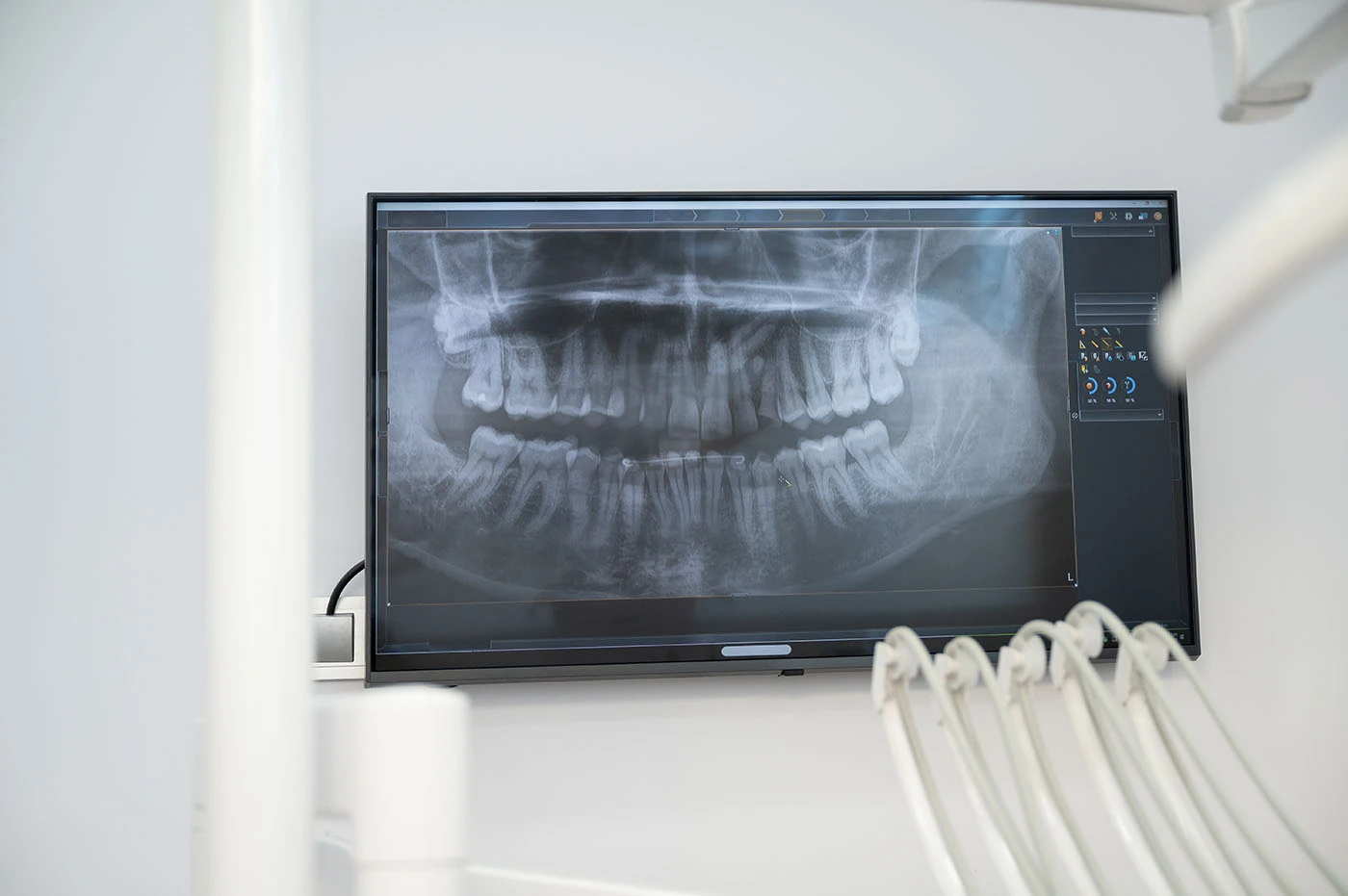
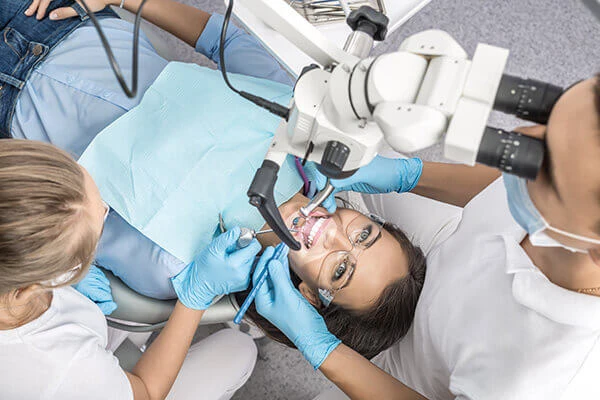
Endodontics deals with the treatment of dental pulp and root canals. For the patient, this usually means saving a tooth that would previously have been qualified for extraction.
In modern facilities, root canal treatment is performed using:
- a microscope,
- RTG diagnostics,
- in difficult cases, also CBCT tomography.
It is a huge difference compared to treatment "by feel." At Rycerska 4 Medical Center in Bytom, modern imaging diagnostics is an important part of treatment planning, which allows for increased precision and safety of the therapy.
Symptoms that may indicate the need for root canal treatment
- throbbing, severe toothache,
- night pain,
- sensitivity that does not go away,
- swelling in the tooth area,
- periapical lesion visible on RTG,
- previous treatment that requires repetition.
Orthodontics – not just for teenagers
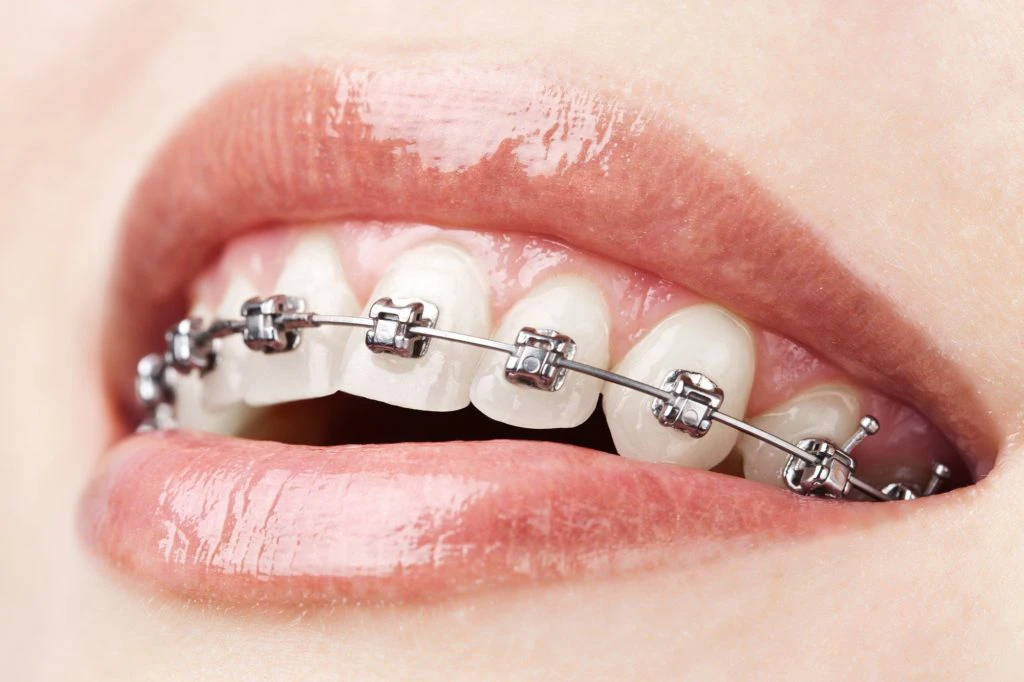
One common myth says that orthodontics is only for children and adolescents. Meanwhile, more and more adults decide to treat malocclusions for reasons related to:
- aesthetic,
- functional,
- health.
Malocclusion can lead to tooth wear, overloading, cracks, hygiene difficulties, and even headaches and problems within the temporomandibular joints.
It is worth visiting an orthodontist when:
- teeth are crowded or overlap,
- an open, cross, or deep bite appears,
- jaws do not work symmetrically,
- teeth wear down unevenly,
- you are planning prosthetic or implantological treatment and bite conditions need to be organized.
Periodontology – when the problem concerns the gums and periodontium
Patients very often downplay gum bleeding, considering it "normal." This is a mistake. Periodontal diseases develop insidiously and for a long time may not cause severe pain, yet they can still lead to mobility and tooth loss.
A periodontologist deals with, among others:
- gingivitis,
- periodontitis,
- gingival recessions,
- tooth mobility,
- prophylaxis and treatment of the tissues surrounding the tooth.
“Untreated dental caries in permanent teeth is the most common health condition in the world.” – WHO
Alarming symptoms
- bleeding during brushing,
- bad breath,
- gum swelling,
- exposed tooth necks,
- the impression that teeth are loose,
- sensitivity at the gum line.
In practice, periodontology is very often combined with professional hygienization and regular monitoring of oral health.
Dental surgery – when a procedure is needed
A dental surgeon performs procedures that go beyond classic conservative treatment. These may include:
- removal of impacted teeth,
- wisdom teeth extractions,
- resections,
- preparation for implantological treatment,
- procedures supporting bone and tissue reconstruction.
It is crucial for the patient that surgical treatment is well-planned based on imaging. That is why RTG and CBCT tomography are so important today – they allow for the assessment of root position, the course of anatomical structures, and the level of difficulty of the procedure.
Implantology – permanent restoration of missing teeth
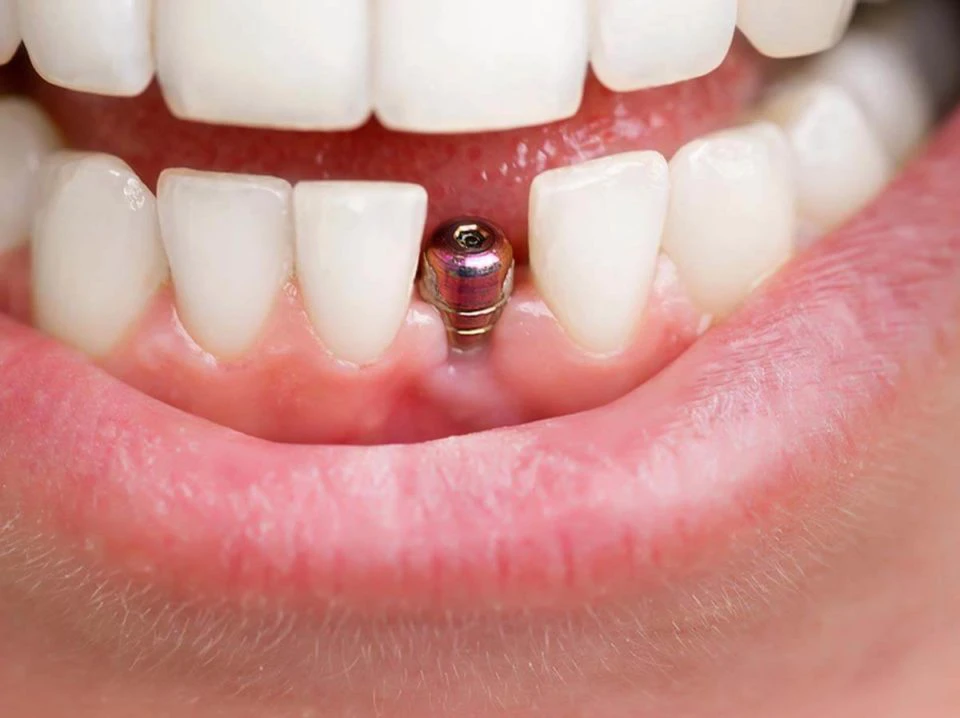
Implantology is one of the most dynamically developing fields of dentistry. It enables the restoration of single missing teeth, larger sections, and in some cases even entire dental arches.
An implant is not, however, just the "insertion of a screw". It is a process involving:
- diagnostics,
- assessment of bone conditions,
- treatment plan,
- procedure,
- healing stage,
- prosthetic reconstruction,
- post-operative care.
This is another area where a facility offering many specializations in one place provides an advantage. When an implantologist, prosthodontist, or hygienist work together in one clinic, the patient has a shorter treatment path and greater predictability of results.
Dental prosthetics – restoration of function and aesthetics
Prosthetics is not just about making a crown or a denture. Its task is to restore proper chewing function, smile aesthetics, and bite harmony.
A prosthodontist helps patients who:
- have lost teeth,
- have severely damaged tooth crowns,
- need reconstruction after root canal treatment,
- want to improve the aesthetics of their smile,
- require extensive bite reconstruction.
It is very important that modern prosthodontics does not work in isolation from other fields. It often requires cooperation with:
- endodontics,
- periodontology,
- implantology,
- orthodontics,
- dental physiotherapy.
Pediatric dentistry – although this article is aimed at adults, it is worth remembering
Many adult patients look for information about dental specializations also because they want to take good care of their children's health. Pediatric dentistry includes the treatment of the youngest patients and preventive measures that help avoid problems in the future.
It is worth remembering that neglect in childhood can later affect:
- development of malocclusions,
- the health of permanent teeth,
- hygiene habits,
- fear of treatment.
1. Do I need to know which specialist to book an appointment with myself?
Not always. In a well-organized facility, the first doctor performs diagnostics and refers the patient further if the situation requires it.
2. Can one problem require several specialists?
Yes – and very often. For example:
- a missing tooth may require surgical, implantology, and prosthodontics consultations,
- bruxism may require a dentist, physiotherapist, and sometimes aesthetic medicine to support facial tension,
- chronic pain may require broader therapy than just dental treatment.
3. Is diagnostics as important as the treatment itself?
Definitely yes. Without proper RTG or CBCT, it is difficult to plan root canal, implantology, or surgical treatment effectively.
Which specialist should you see for a specific problem?
The table below will help quickly organize the most common situations.
Most common symptoms and the appropriate specialist
| Patient problem | Most common first choice | Possible further consultations |
|---|---|---|
| Toothache, cavity | Conservative dentist | Endodontist, surgeon |
| Severe pain, swelling, suspected necrosis | Endodontist | Surgeon, prosthodontist |
| Gum bleeding | Periodontist / dental hygienist | Conservative dentist |
| Missing tooth | Implantologist / prosthodontist | Surgeon, periodontist |
| Crooked teeth, malocclusion | Orthodontist | Dental physiotherapist, prosthodontist |
| Jaw pain, teeth grinding | Dentist + dental physiotherapist | Orthodontist, prosthodontist |
| Tooth for extraction, wisdom teeth | Dental surgeon | Implantologist, prosthodontist |
| Desire to improve smile aesthetics | Aesthetic dentist / prosthodontist | Orthodontist, dental hygienist |
Dental specializations and dental physiotherapy
Oral problems do not end with the teeth. Patients also struggle with:
- tension in the chewing muscles,
- facial pain,
- restricted mouth opening,
- clicking in the temporomandibular joint,
- bruxism,
- headaches related to the bite.
In such situations, dental intervention alone may not be enough. Cooperation with a physiotherapist is necessary. This is precisely one of the distinguishing features of the Rycerska 4 Medical Center in Bytom – the possibility of combining dentistry with dental physiotherapy, pain therapy, massages, and aesthetic facial physiotherapy in one facility.
What does a good patient path look like in a modern facility?
The most convenient care model looks like this:
- Consultation and medical history
- Diagnostic imaging – RTG or CBCT, if indicated
- Treatment plan with discussion of the stages
- Actual treatment with the appropriate specialist
- Check-ups and prevention
- If necessary, physiotherapy or aesthetic support
Such an approach reduces chaos, shortens treatment, and gives the patient a sense of security. This is exactly why people who value a high standard of service so often choose comprehensive facilities instead of random individual dental offices.
How to choose a clinic if you are interested in various dental specializations?
When choosing a treatment facility, it is worth checking not only the price list but also whether the facility offers:
- several specializations in one place,
- modern RTG and CBCT diagnostics,
- treatment under a microscope,
- a clear therapy plan,
- the possibility of quick contact,
- post-treatment support,
- convenient registration,
- an individual approach to the patient.
For residents of Bytom and the surrounding areas, the location is also a major advantage. Rycerska 4 Medical Center in Bytom is located right by the Market Square, making it easy to combine a visit with daily errands.
Why is comprehensiveness so important today?
Patients no longer want to look separately for:
- a dentist,
- RTG,
- a surgeon,
- an implantologist,
- a physiotherapist,
- therapy supporting comfort and aesthetics.
They want everything in one place, under the care of a team that communicates and plans treatment together. This changes the patient's experience from "visiting multiple specialists" to real medical care.
At Rycerska 4 Medical Center in Bytom, such a model includes not only dentistry but also aesthetic medicine, pain therapy, massages, and physiotherapy. This allows you to take care of your health, appearance, and daily comfort at the same time.
Is specialization always more important than experience?
No. For the patient, the best results are provided by a combination of:
- the team's experience,
- good diagnostics,
- proper qualification for treatment,
- communication,
- comprehensiveness.
The name of the specialization alone does not guarantee good care. What also matters is whether the patient understands the treatment plan, knows the available options, and feels that someone is looking at their problem holistically.
Summary:
It is worth knowing dental specializations, but the place of treatment is even more important. Knowing what an orthodontist, endodontist, periodontist, surgeon, or prosthodontist does makes it easier to make a good decision. However, the most important thing is not for the patient to know all medical names, but to find a place that can guide them properly.
If you are looking for private, modern care in one facility in Bytom – from conservative dentistry, through implantology, prosthodontics, treatment under a microscope, and RTG/CBCT diagnostics, to dental physiotherapy, pain therapy, and aesthetic medicine – Rycerska 4 Medical Center in Bytom is a place created specifically for such a patient.
On-site, you will benefit from the knowledge of an experienced team of doctors and therapists, convenient online registration, contact via phone and WhatsApp, and if you are planning more extensive treatment – also support in financing procedures. It is modern care that truly simplifies the entire treatment process.
| Procedure name | Price |
|---|---|
| Adaptation visit, consultation | 200 zł |
| Ineffective visit / lack of cooperation / inability to provide treatment | 250 PLN |
| Filling in a milk tooth (chemically cured or light-cured white, colored) | 200 – 300 zł |
| Pulpotomy of a milk tooth (does not include the filling) | 150 zł |
| Primary tooth extraction under topical anesthesia | 200 zł |
| Milk tooth extraction under infiltration anesthesia | 250 PLN |
| Procedure name | Price |
|---|---|
| Infiltration and block anesthesia | 50 PLN |
| Chemical-cured filling | 200 – 250 PLN |
| Light-cured composite filling, 1-surface – small | 250 PLN |
| Light-cured composite filling, 2-surface – medium | 300 PLN |
| Light-cured composite filling, 3-surface – large | 350 PLN |
| 4-surface light-cured filling – reconstruction of a severely damaged tooth | 400 zł |
| Temporary filling – medicinal dressing | 150 zł |
| Splinting of teeth (per space) | 200 zł |
| Biological pulp treatment (MTA/Biodentine) with light-cured filling | 300 – 600 zł |
| Each subsequent glass fiber | 150 zł |
| ICON (treatment of early caries lesions/removal of discolorations) per 1 tooth | from 250 zł |
| Procedure name | Price |
|---|---|
| Root canal treatment (endodontics) of tooth 1 – 3 (incisors, canines – including RTG and anesthesia) | 700 – 1000 zł |
| Root canal treatment (endodontics) of tooth 4 – 5 (premolars – including RTG and anesthesia) | 900 – 1200 zł |
| Root canal treatment (endodontics) of tooth 6 – 8 (molars – including RTG and anesthesia) | 1100 – 1500 zł |
| Re-treatment (root canal) of tooth 1 – 3 (incisors, canines – including RTG and anesthesia) | 900 - 1300 zł |
| Re-treatment (root canal) of tooth 4 – 5 (premolars – including RTG and anesthesia) | 1100 - 1500 zł |
| Re-treatment (root canal) of tooth 6 – 8 (molars – including RTG and anesthesia) | 1300 - 1700 zł |
| Removal of a broken instrument from the tooth canal (during the procedure) | 300 – 700 zł |
| Closure of perforation with biological material | 200 – 300 zł |
| Glass fiber post (without tooth reconstruction) | 300 PLN |
| Tooth core buildup before root canal treatment (endodontic) | 250 - 450 zł |
| Reconstruction of a severely damaged tooth after root canal treatment (endodontic) | 400 zł |
| Reconstruction of a severely damaged tooth after root canal treatment (endodontic) using glass fiber | 600 zł |
Conservative dentistry
- heat or sweets,
- when a cavity is visible,
- when a filling has chipped,
- when pain appears when biting,
- when there has been no check-up for a long time.
Endodontics
- night pain,
- sensitivity that does not subside,
- swelling in the tooth area,
- periapical lesion visible on RTG,
- previous treatment that requires repetition.
Dental surgery
- extraction of wisdom teeth, resections,
- preparation for implant treatment,
- procedures supporting bone and tissue reconstruction.
Prosthodontics and implant prosthetics
- heavily damaged tooth crowns,
- reconstructions after root canal treatment,
- improvement of smile aesthetics,
- extensive bite reconstruction.

See reviews
Looking for an ideafor a gift?


Select voucher type

Complete the details and pay for the order

Collect the voucher online or on-site